Current* and Past Research
Characterizing the olive baboon vaginal transcriptome*
Dissertation research: University of Calgary/ NYU (2020- present)
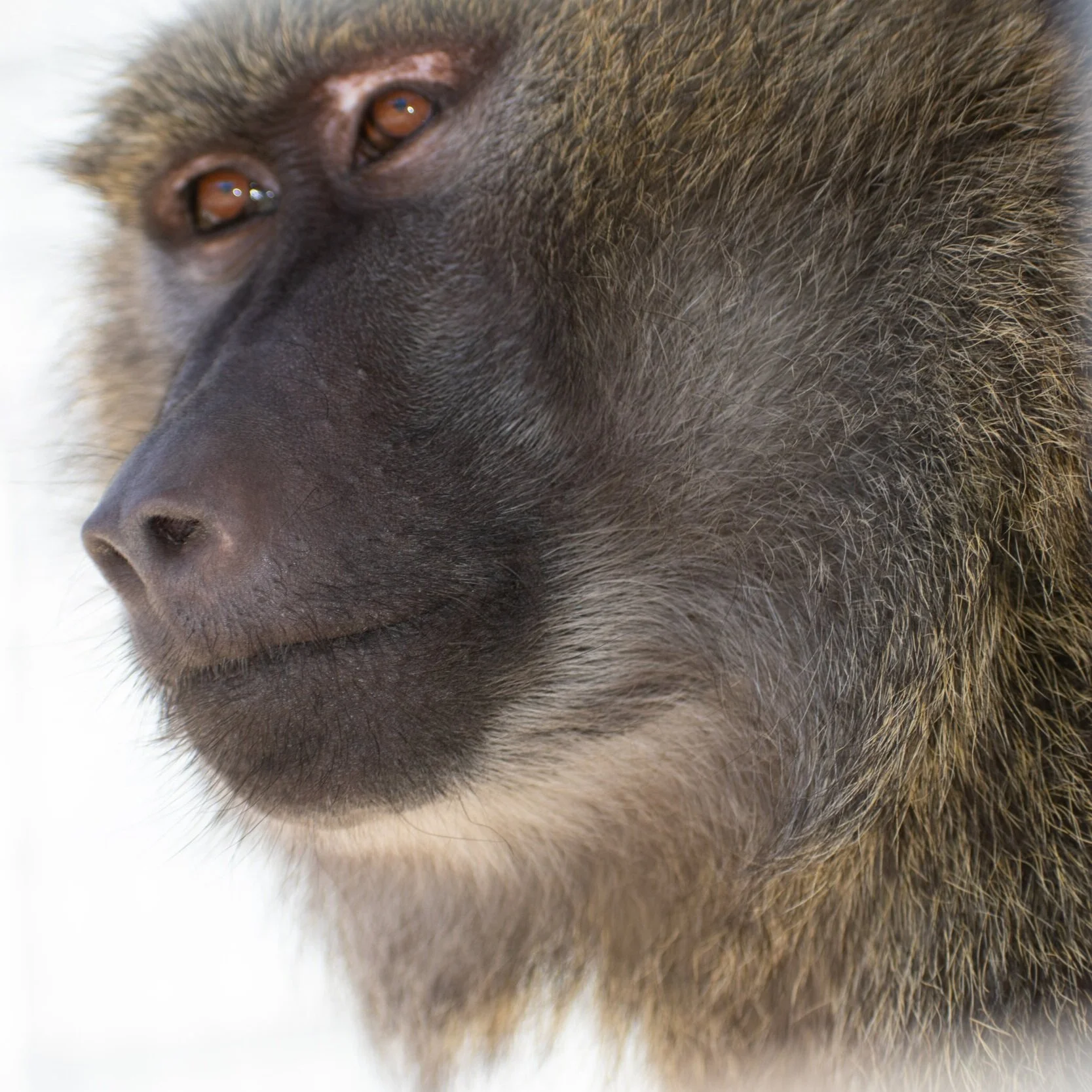
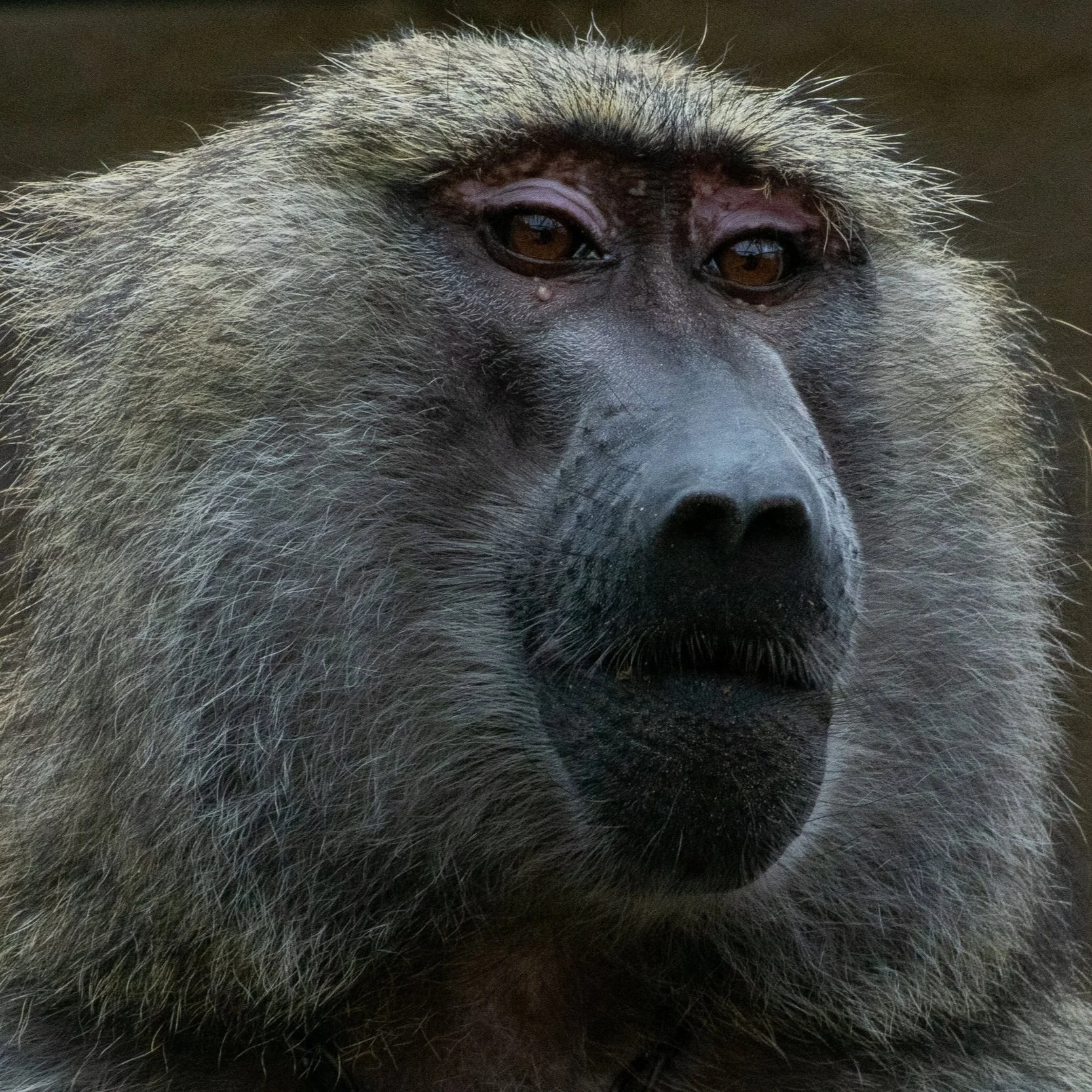

Images taken by Emily Nonnamaker
In many primates, sexual dimorphism and male coercion can limit a female’s ability to mate with only preferred partners. In these species, sperm preference within the female reproductive tract, aptly named cryptic female choice, may allow females to regain control over offspring paternity. Although there is some theoretical support for the presence of cryptic female choice in primates, there is little evidence supporting a specific mechanism by which females could exert influence on paternity post-copulation. This project explores potential mechanisms of post-copulatory mate discrimination relevant to cryptic female choice by characterizing the vaginal transcriptome over the course of the ovarian cycle and in response to mating.
This research is being done in collaboration with Dr. Amanda Melin at the University of Calgary.
Sexual behavior and signaling in the olive baboon*
Dissertation research: CNRS Primatology Station/ NYU (2018- present)
Mate choice is thought to have two potential benefits: direct benefits in the form of resources that the mating partner may provide, and indirect benefits in the form of genetic qualities that would be inherited by the offspring. This portion of Rachel’s dissertation research investigates how genetic properties of both males and females influence pre- copulatory mate choice in the female olive baboon, through its effects on sexual behaviors and signaling.
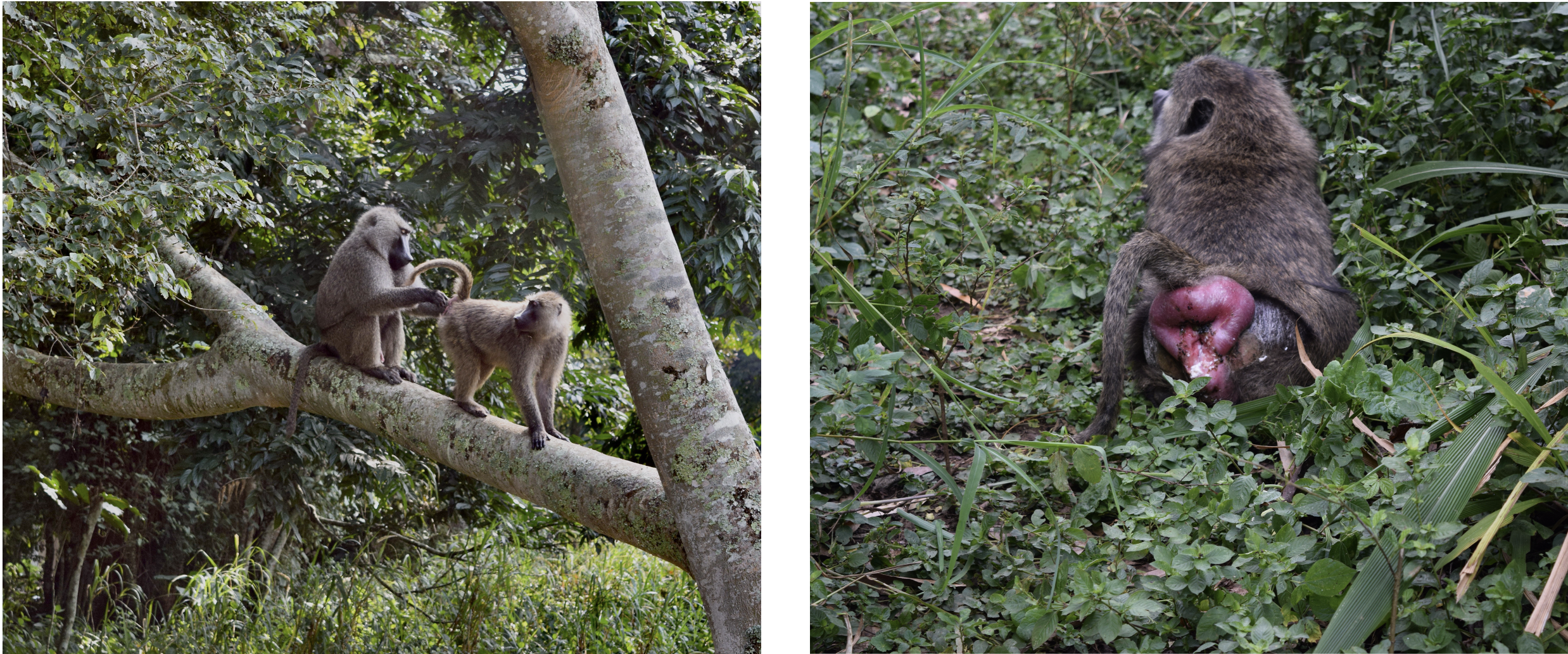
Sexual solicitation and ano-genital swellings associated with fertility in the female olive baboon (Kibale National Park, Uganda)
Global and MHC genetics relevant to mate choice in the olive baboon*
Dissertation research: German Primate Center/ NYU (2018- present)
The major histocompatibility complex (MHC) is a gene family central to immune system function, and of considerable interest in the study of mate choice due to its established influence on body odor and potential effects on fitness. It is also well-established that genome-wide characteristics, such as global heterozygosity and genetic relatedness are influential in the process of mate choice. This portion of Rachel’s dissertation research aims to better characterize the relationship between global genetic characteristics and those observed at the MHC to better inform processes of mate choice.
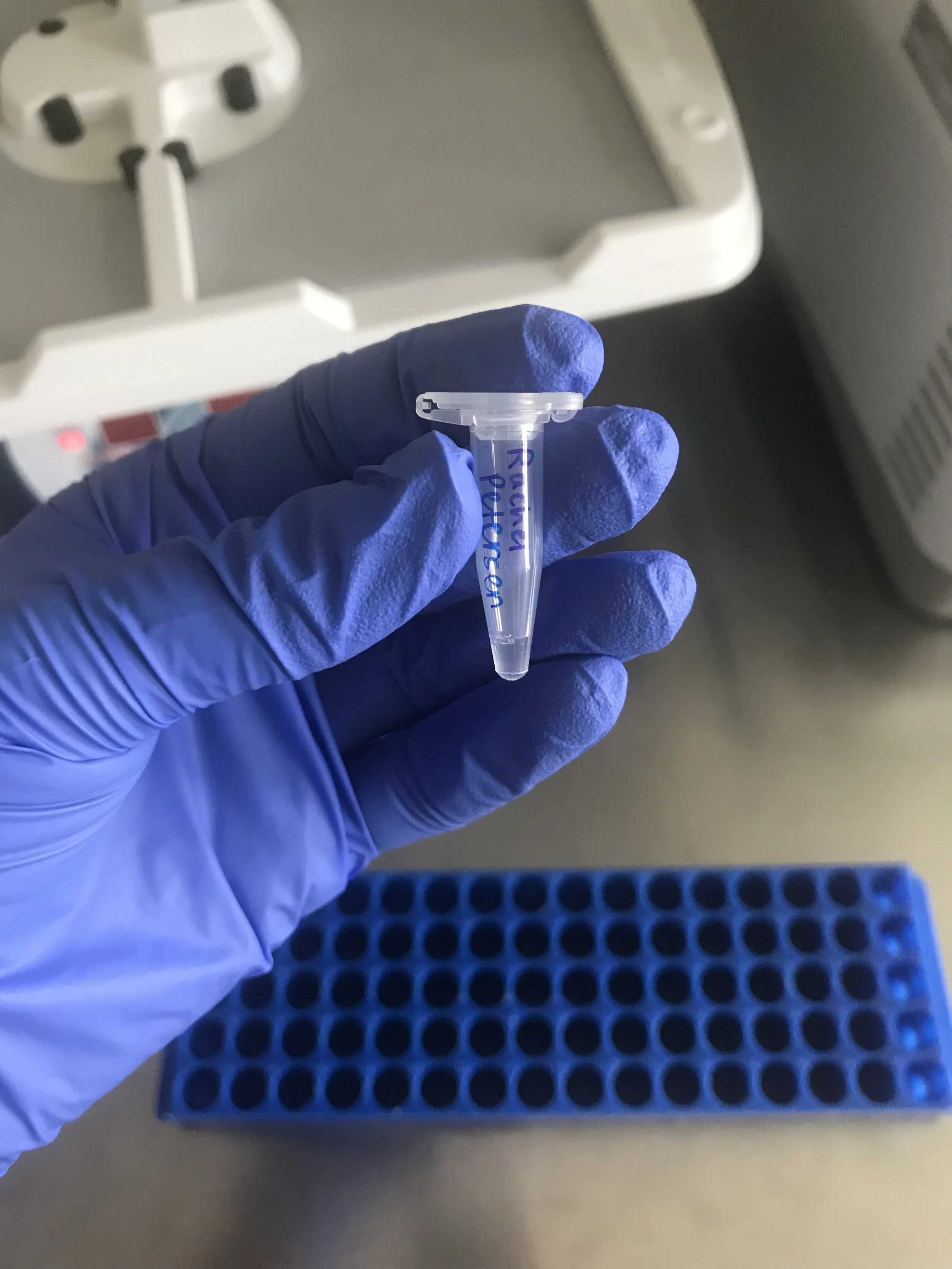
MHC sequencing library constructed at the German Primate Center, Primate Genetics Lab
Relevant publications
This research is done in collaboration with Dr. Christian Roos (DPZ) and Dr. Christina Bergey (Rutgers University)
Olfactory communication in the olive baboon*
Notre Dame University/ NYU (2018- present)
Non-human primates display complex visual and auditory communication, however relatively little is known about the extent of their olfactory communication. This project combines behavioral, microbial, and GC-MS data to explore the role of olfactory communication in signaling ovulation in the olive baboon.
This research is done in collaboration with Emily Nonnamaker and Dr. Beth Archie at Notre Dame University
Behavioral immunology of sociality and reproduction in male rhesus macaques
MA thesis: New York University (2017)
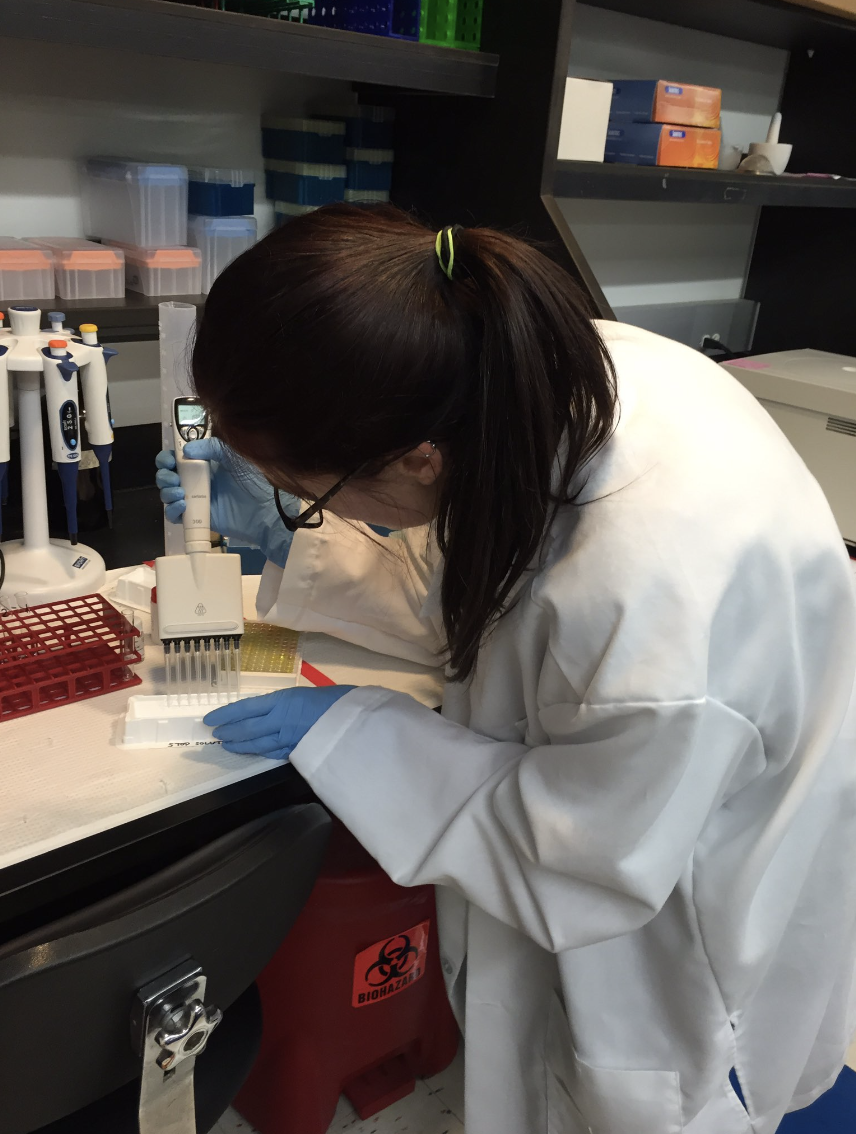
Measuring urinary neopterin using enzyme-linked immunosorbent assay (ELISA)
Social interactions are well known to influence health in social animals, but the physiological processes that connect the two remain largely unknown. This study aimed to explore how variation in sociality may influence adrenocortical and immune system activation in the rhesus macaque through the non-invasive assessment of fecal glucocorticoids, a hormone associated with energy allocation in response to stressors, and urinary neopterin, a novel marker of immune system activation. Affiliative social interactions and reproductive competition were associated with variation in both biomarkers, suggesting that the immune system and HPA axis may play a role in linking social environment and health in this species.
Relevant publication:
Petersen, R.M., Heistermann, M., Higham, J.P. (Revised and resubmitted) Social and sexual behaviors predict adrenocortical and immune system activation in male rhesus macaques. Behavioral Ecology and Sociobiology
This research was supervised by Dr. James Higham, and done in collaboration with Dr. Michael Heistermann (DPZ)
Color signaling in rhesus macaques
New York University (2016)
As part of larger research project on color signaling, this project investigated how red facial coloration may relate to cortisol production and function as a sign of male physiological status in male rhesus macaques.
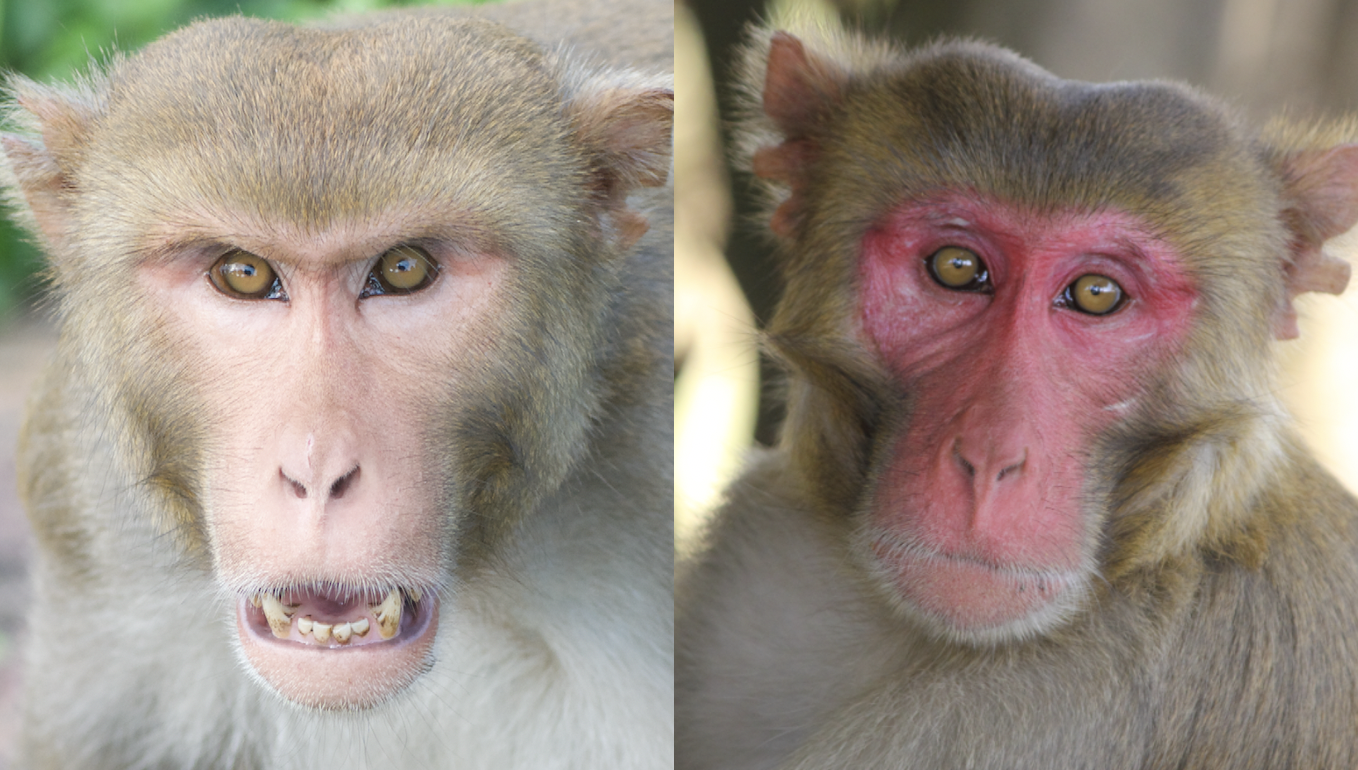
Variation in facial color in male rhesus macaques.
Images taken by James Higham and Constance Dubuc
Relevant publications:
Petersen, R.M., Higham, J.P. (2020) Invited contribution: The role of sexual selection in the evolution of facial displays in male non-human primates. Adaptive Human Behavior and Physiology. [download]
Petersen R.M., Dubuc C., Higham J.P. (2018) The facial displays of dominance in nonhuman primates. In: The Facial Displays of Leaders: honest signals of effective leadership. (ed. C Senior). Palgrave Macmillian. [download]
Physiological responses to alpha male status in rhesus macaques
University of Chicago (2013)
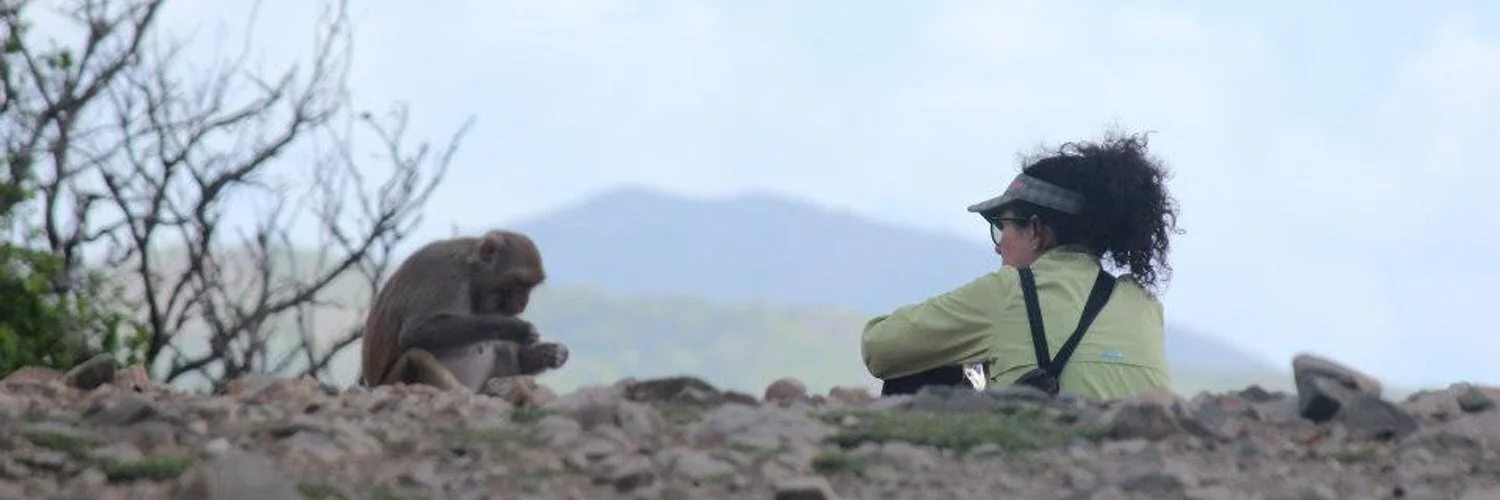
Dr. Krista Milich collecting data on high-ranking male rhesus macaques on Cayo Santiago
Social environment, such as a male’s dominance rank, the stability of the dominance hierarchy, group size, and the number of males and females in a group are believed to influence aspects physiology, such as circulating hormone concentrations. Among high-ranking males, the alpha male of a group may experience social stressors unique to this position, such as increased mating effort or challenges directed up the hierarchy. This project aimed to understand how stressors unique to the alpha male position may influence male physiology through the non-invasive assessment of fecal glucocorticoids, a hormone associated with energy mobilization in response to stressors.
Relevant publication:
Milich, K. M., Georgiev, A. V., Petersen, R. M., Thompson, M. E., & Maestripieri, D. (2018). Alpha male status and availability of conceptive females are associated with high glucocorticoid concentrations in high-ranking male rhesus macaques (Macaca mulatta) during the mating season. Hormones and behavior, 97, 5-13. [download]
This research was supervised by Dr. Krista Milich and Dr. Dario Maestripieri at the University of Chicago
Reproductive endocrinology of red colobus monkeys
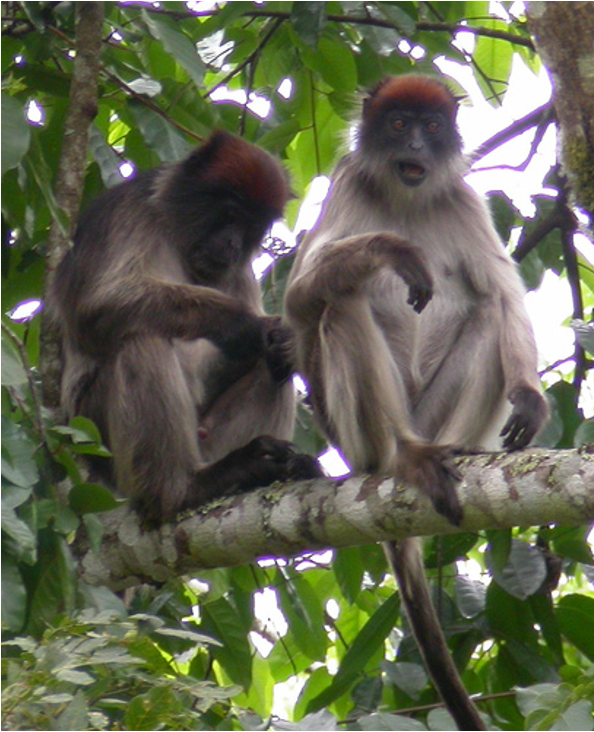
Red colobus monkeys in Kibale National Park, Uganda
Image: Dr. Krista Milich
University of Illinois Urbana-Champaign (2012-2013)
Habitat loss is a critical driver of species endangerment, making it important to understand how habitat disturbance influences the viability of endangered species populations. As an undergraduate research scientist, Rachel received her first experiences in the lab using radioimmunoassays to measure reproductive hormones in red colobus monkey fecal samples. This laboratory work was part of Dr. Krista Milich’s dissertation research project, investigating the effects of habitat disturbance on red colobus behavior and reproduction.
Relevant publication:
Milich, K. M., Petersen, R. M., & Bahr, J. M. (2013, October). Social, not ecological conditions impact reproductive and stress hormones in male red colobus monkey (Procolobus rufomitratus) in Kibale National Park, Uganda. American Journal of Primatology, 75, 73. [download abstract]
This research was supervised by Dr. Krista Milich and Dr. Janice Bahr at the University of Illinois Urbana-Champaign